
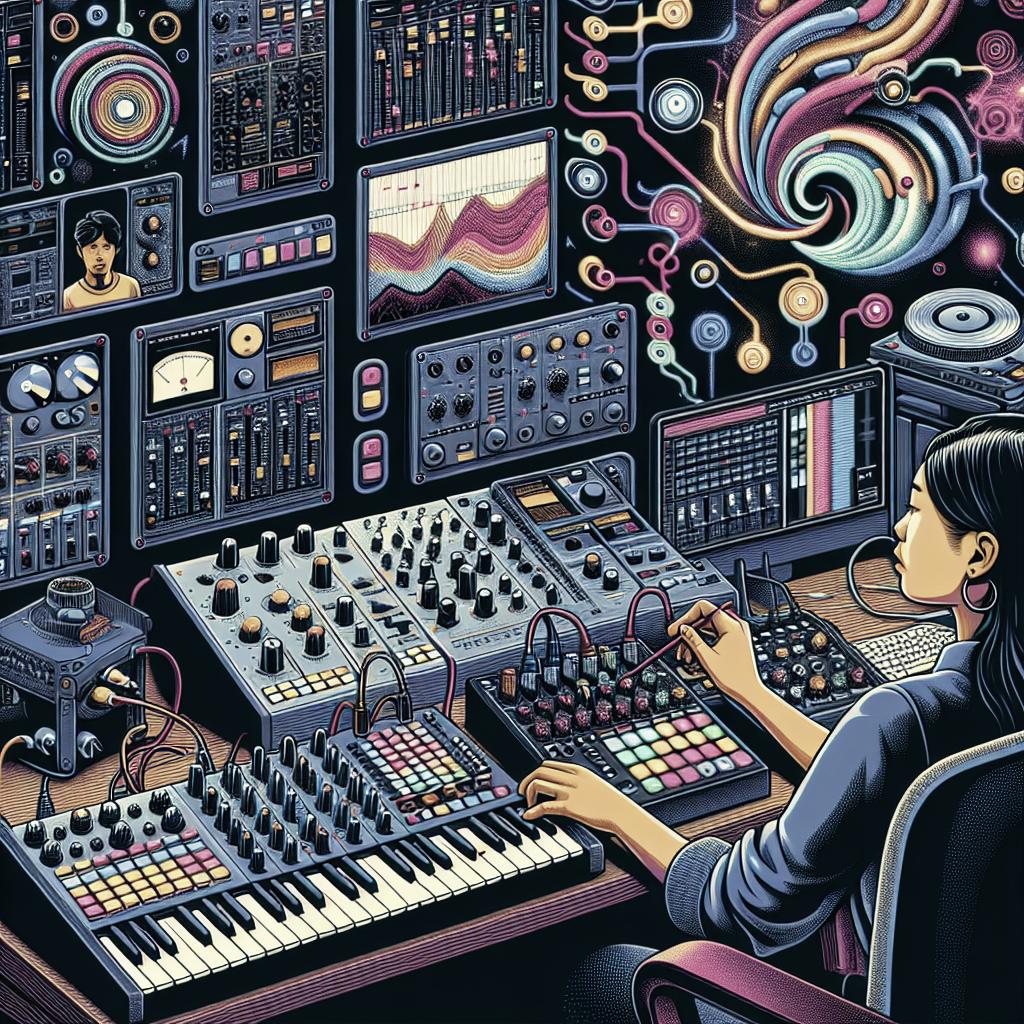
How to Make Techno: A Comprehensive Guide for Aspiring Producers
Creating techno music is a multifaceted journey that intertwines creativity, technical skills, and musical knowledge. Whether you’re a novice stepping into the vibrant world of electronic music or a seasoned producer seeking to refine your skills, this guide will illuminate the path to producing captivating techno tracks. From understanding the basics to mastering the technical aspects of gear and software, and diving into the intricacies of sound design and arrangement, we’ll cover all the essentials. We will also explore the creative processes of mixing and mastering, and highlight the importance of practice and sharing in perfecting your craft. Join me as we embark on this rhythmic voyage to unleash your musical genius!
Learn The Basics
At the heart of techno music lies a pulsating rhythm and a hypnotic groove. This genre is characterized by repetitive beats, synthesized sounds, and a focus on creating an immersive atmosphere that captivates listeners. To begin your journey, familiarize yourself with the history and evolution of techno, understanding the influences that shaped it into a global phenomenon. From the pioneers of Detroit techno to the diverse sounds emerging from Berlin’s underground scene, each has contributed to the genre’s rich tapestry.
In this initial phase, immerse yourself in the sounds of iconic techno tracks and explore the sub-genres that have emerged over the years. Understanding the foundational elements such as tempo, rhythm, and structure will help you appreciate the art form and inspire your compositions. This foundational knowledge will be instrumental as you begin experimenting with creating your own unique sounds within the genre.
Gear, Software, and Sound Design
The technological tools you choose will deeply influence your ability to create compelling techno tracks. Investing in a digital audio workstation (DAW) like Ableton Live, FL Studio, or Logic Pro provides a versatile platform for crafting your music. Explore the capabilities of these software programs, each offering diverse features suited for different styles and preferences.
As you dive into sound design, consider incorporating synthesizers, drum machines, and samplers. Crafting distinctive sounds and manipulating various audio effects can create the dynamic textures that define techno. Experiment with oscillators, filters, and modulation, using both hardware and software synthesizers to shape the audio landscape of your tracks. Synth modules, both analog and digital, allow you to infuse your music with the characteristic warmth and depth synonymous with techno.
The Beat, Arrangement, and Automation
The driving force of techno music is its rhythm. Mastering the art of creating diverse and engaging beats will set the foundation for your tracks. Focus on the precision of kick drums, the groove of hi-hats, and the syncopation of snares and claps. Layer complimentary percussive elements to build complexity and depth, ensuring your rhythm section resonates with energy and motion.
Once you have crafted a compelling beat, turn your attention to arrangement. A well-structured track takes listeners on a journey, maintaining their interest while unfolding new layers of sound. Experiment with different sections, including intros, builds, drops, and breakdowns, and use automation as a tool for dynamic transitions. Automation brings life to your arrangements by gradually altering parameters like filter cutoff, volume, and panning, adding movement and texture throughout the track.
Mixing, Mastering, and Creativity
Mixing serves as the bridge between the creative process and the final production. It involves balancing individual elements within a track to ensure clarity, depth, and cohesion. Pay close attention to EQ, compression, and reverb, shaping your mix to emphasize the key elements of your composition. Understanding the frequency spectrum and how different instruments fit within it will enhance the sonic quality of your music.
Once your mix is polished, proceed to mastering, the final step before releasing your track. Mastering enhances the overall volume, clarity, and impact, ensuring consistency across different playback systems. This stage requires a keen ear and practice, often benefiting from collaboration with experienced mastering engineers.
Injecting creativity into your music is perhaps the most rewarding part of the techno production process. Challenge yourself to explore unconventional sounds, genre-blending techniques, and unique studio workflows. Cultivate a personal style that resonates with your audience and reflects your artistic vision.
Practice and Share
Like any art form, honing your skills in music production requires dedication and practice. Continually refine your techniques and push the boundaries of your creativity by experimenting with new tools, styles, and musical ideas. Set goals for your development, seek feedback from peers, and learn from the experiences of seasoned producers.
Once your compositions reach a level where they reflect your artistic intent, share them with the world. Platforms like Soundcloud, Bandcamp, and Spotify offer opportunities to connect with listeners and grow your audience. Engage with music communities, attend workshops, and participate in collaborative projects to expand your musical network and gain invaluable insights from fellow enthusiasts.
Conclusion: How to Produce Techno Music
| Section | Content Summary |
|---|---|
| Learn The Basics | Familiarize yourself with the history, influences, and foundational elements of techno music. |
| Gear, Software, and Sound Design | Explore DAWs, synthesizers, drum machines, and sound design tools to craft unique sounds. |
| The Beat, Arrangement, and Automation | Create engaging rhythms, structure your tracks effectively, and use automation for dynamic transitions. |
| Mixing, Mastering, and Creativity | Balance mix elements, enhance tracks through mastering, and infuse your music with creativity. |
| Practice and Share | Dedicate time to improving your skills, seek feedback, and share your compositions with the world. |

