
“`html
Recording Vocals and Voiceovers: A Comprehensive Guide
Whether you’re a musician, a voiceover artist, or a podcaster, capturing the perfect vocal performance is pivotal in conveying emotion and telling your story. In this in-depth guide, we’ll explore the nuances of recording vocals and voiceovers, uncovering the importance of positioning, equipment, and proper studio setup. We’ll delve into the intricacies of booking a room, editing your recordings, and ensuring they’re ready to captivate your audience. Drawing inspiration from industry experts, we aim to provide practical advice and insights that illuminate the path toward creating outstanding audio projects. Let’s journey into the art of vocal and voiceover recording, embracing innovation while honoring traditional craftsmanship.
Sitting Position
In the realm of vocal and voiceover recording, sitting can offer stability and reduced physical strain, making it an excellent choice for lengthy sessions. When seated, maintaining proper posture is crucial, as slumping can constrict the diaphragm and hinder vocal performance. Ensure your chair allows for a straight back, and keep your feet flat on the floor for optimal breath control.
To capture clear sound, position yourself at an appropriate distance from the microphone, usually three to six inches away, depending on the microphone’s type and sensitivity. Experiment with angles to find the sweet spot where your voice sounds both natural and powerful. Consider using a pop filter to curtail plosive sounds and prevent distortion in your recordings.
Standing Position
For many, standing is the preferred method of recording vocals and voiceovers, offering a sense of freedom and allowing for better breath support and dynamic range. Standing encourages more natural body movement, which can convey additional expressiveness and energy in your vocal delivery.
When standing, position the microphone at mouth level, and maintain a similar distance as when sitting. This position permits unrestricted airflow from the diaphragm, enhancing vocal projection. Standing becomes particularly advantageous for singers, allowing them to utilize various vocal techniques fully.
What A Carry On!
Whether recording at home or traveling to another studio, properly transporting your equipment is essential to maintaining the integrity of your gear. Utilizing protective cases with padded interiors can prevent damage to sensitive microphones and audio interfaces. Opt for compact and lightweight equipment when working in different locations to ensure ease of carry and setup.
If you’re frequently mobile, investing in robust, portable studio gear can enhance your ability to record on the go without compromising quality. Laptops, dynamic microphones, and foldable stands are all excellent investments for the traveling voice artist.
Booking Your Room
The acoustic properties of your recording space profoundly influence the quality of your vocal recordings. When booking a room, consider its size and the materials within it. A room with excessive hard surfaces can create unwanted echoes, while a space heavily covered with soft materials can overly dampen sound.
If booking a professional studio, inquire about their available equipment and acoustical treatment. Look for studios that offer a range of microphone options and adjustable acoustic panels to tailor the room’s sound to your needs.
Project Studio Setup
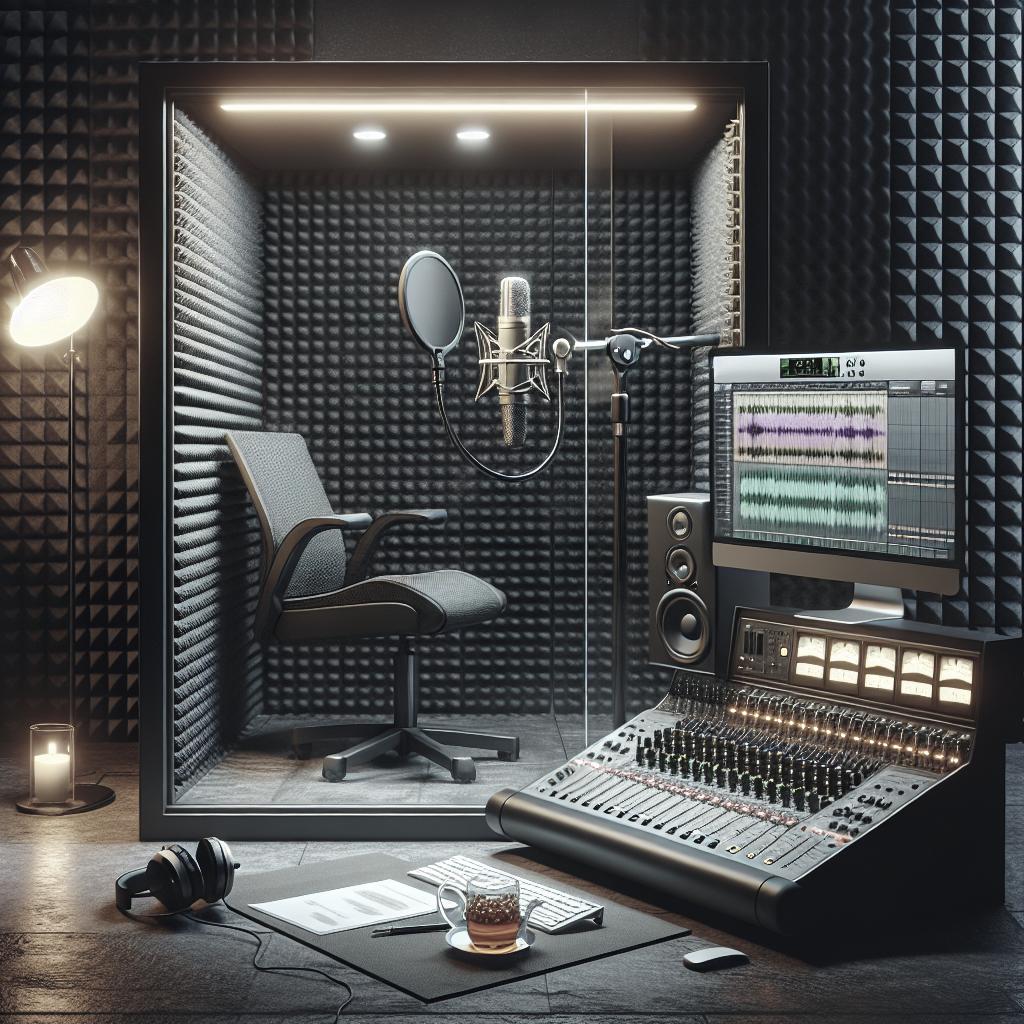
Creating a project studio in your home or office offers flexibility and accessibility. Start by selecting a quiet room free from external noise. Employ acoustical treatment, like foam panels, bass traps, and diffusers, to manage sound reflections and improve recording clarity.
Your equipment setup should consist of a quality microphone, an audio interface, headphones, and a computer with recording software. Configure your gear to suit your recording type, keeping accessibility and ergonomics in mind for intuitive use during long sessions.
Recording & Editing
With your setup ready, it’s time to start recording. Adjust levels to prevent peaking; aim for consistent meter readings just below 0 dB. Record multiple takes to capture varied performances and later choose the best one for editing.
When editing, attentively remove any extraneous noise and align segments seamlessly. Use equalization and compression carefully to polish your final sound, ensuring it’s both clear and compelling. Testing on multiple playback systems guarantees that your recordings will sound outstanding across different devices.
Getting VOs Ready To Air
Finalizing voiceovers for broadcast requires meticulous attention to detail. Begin by ensuring the vocal track is balanced within the mix, allowing clear audibility without overpowering accompanying elements. Implement volume automation to maintain consistent levels throughout the piece.
Apply final touches like reverb sparingly, ensuring it complements rather than masks the vocal texture. Thorough mastering is essential, adjusting overall tonal balance and loudness to comply with industry broadcast standards.
Final Thoughts
The journey of recording vocals and voiceovers is both an art and a science, calling for an understanding of both technical elements and creative expression. By refining your techniques and embracing quality equipment and acoustics, you can achieve recordings that resonate powerfully with audiences.
Sharing your unique voice with the world is a rewarding venture, and continual practice and experimentation will only enhance your artistry. Embrace each recording session as an opportunity to learn and grow, pushing the boundaries of your musical or storytelling prowess.
About The Author
Lucas, an accomplished Melodic Maestro, has dedicated over a decade to composing and performing. Mastering several instruments and a variety of music genres, he shares his passion and insights with those eager to delve into the world of music and sound.
On The Go With Joe Cipriano
Taking inspiration from esteemed voiceover artist Joe Cipriano, known for his versatility and adaptability, we learn that having a comprehensive mobile setup allows for spontaneous creativity and productivity no matter where you are. His emphasis on maintaining consistency across different environments can serve as a guide for aspiring artists.
From road trips to hotel rooms, Cipriano’s techniques in quick and efficient setup can teach valuable lessons about flexibility and preparedness in the ever-evolving landscape of the audio industry.
The New Normal
In recent times, the traditional methods of recording have been augmented with remote collaborations and virtual recordings as the “new normal.” This shift has opened doors to global connections, offering artists opportunities to work with a diverse range of talents.
Utilizing cloud storage and file sharing, sessions can run seamlessly with contributors from different parts of the world, bringing a spectrum of perspectives and influences to your work.
Audio Examples
Listening to professionally recorded examples is an integral part of refining your own technique. By critically analyzing samples across different genres and styles, you gain insights into microphone placement, layering, and post-production skills.
Seek out diverse audio examples to understand industry standards and draw inspiration, helping hone your ability to create high-quality vocal recordings with a fresh and innovative approach.
Future Prospects
| Section | Key Points |
|---|---|
| Sitting Position | Offers stability; requires good posture; experiment with microphone distance and angles. |
| Standing Position | Enhances breath control; allows expressiveness; preferred for singers. |
| What A Carry On! | Protective travel cases; choose portable, robust gear for mobile recordings. |
| Booking Your Room | Consider acoustics; inquire about studio equipment and treatments. |
| Project Studio Setup | Acoustically treat the space; assemble essential recording gear. |
| Recording & Editing | Adjust levels; record multiple takes; refine with careful editing. |
| Getting VOs Ready To Air | Balance vocals in the mix; apply mastering for broadcast standards. |
| On The Go With Joe Cipriano | Focused on mobile setup; consistency in varied environments. |
| The New Normal | Remote collaborations; global connectivity through technology. |
| Audio Examples | Analyze professional samples; draw inspiration for your recordings. |
“`

